Choosing the Right Running Shoes for Comfort and Performance

Selecting the proper running shoes is essential for comfort, performance, and injury prevention. Important factors to consider include training frequency, as shoes used daily may require more cushioning and support, and the distance covered, since long distance runners need durable midsoles for shock absorption. The terrain also plays a key role, with trail runners benefiting from shoes that offer traction and stability, while road runners may prefer lightweight designs for smoother surfaces. Proper fit and arch support are equally important to prevent strain and discomfort. A podiatrist can assess your foot structure, gait, and biomechanics to recommend the best type of footwear for your needs. If you enjoy running and have sustained a foot or ankle injury, it is suggested that you schedule an appointment with a podiatrist who can treat various foot conditions, and guide you on personalized running shoe recommendations.

You should always make sure your running shoes fit properly in order to avoid injury. For more information, contact one of our podiatrists from Highpoint Foot & Ankle Center. Our practitioners can provide the care you need to keep you pain-free and on your feet.

Choosing the Right Running Shoe for Your Foot Type

Improper shoe sizing can cause a myriad of problems for your feet. Shoes that don’t fit you properly can lead to muscular imbalances in your body, which can result in foot, knee, and hip injuries.

Tips for Finding the Right Running Shoe

  • Make sure you have a thumb’s width of wiggle room between the end of your longest toe and the front of the shoe.
  • There should be little to no slipping at the heel
  • Don’t assume your size in one shoe brand will be your size in another
  • Do not lace up your shoes too tightly
  • Walk around in the store with your new shoes before you buy them

If you have any questions, please feel free to contact our offices located in Chalfont, Doylestown, and Hatboro, PA . We offer the newest diagnostic and treatment technologies for all your foot care needs.

Read more about Choosing the Right Running Shoe

Heel Pain in the Morning?

Heel pain can negatively affect your day-to-day life. Simple activities like walking can become incredibly uncomfortable or painful due to heel pain.

Don’t live with heel pain and get treated.

The Trouble With Painful Ingrown Toenails

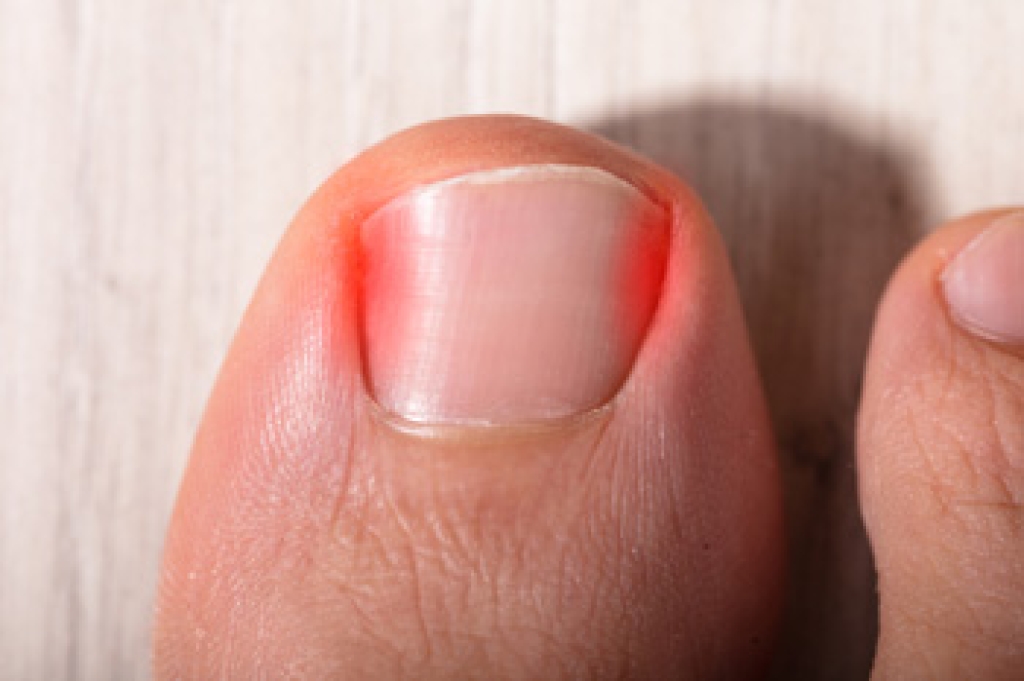
Painful ingrown toenails occur when the edge of the toenail grows into the surrounding skin, causing discomfort and sometimes becoming infected. This condition is often caused by improper nail trimming, wearing tight or narrow shoes, injury, or genetic factors. Symptoms include redness, swelling, tenderness, and pain along the side of the toenail. In severe cases, pus or drainage may be present, and walking or wearing shoes can become difficult. The affected area may look swollen and inflamed, with the skin appearing irritated or thickened. A podiatrist can diagnose ingrown toenails through a physical examination and assess the severity of any infection. Treatment options include proper nail trimming techniques, antibiotics if infection is present, and, in some cases, minor surgery to remove part of the nail. To relieve pain and prevent complications, it is suggested that you schedule an appointment with a podiatrist for expert care and advice.

Ingrown toenails can become painful if they are not treated properly. For more information about ingrown toenails, contact one of our podiatrists of Highpoint Foot & Ankle Center. Our practitioners can provide the care you need to keep you pain-free and on your feet.

Ingrown Toenails

Ingrown toenails occur when a toenail grows sideways into the bed of the nail, causing pain, swelling, and possibly infection.

Causes

  • Bacterial infections
  • Improper nail cutting such as cutting it too short or not straight across
  • Trauma to the toe, such as stubbing, which causes the nail to grow back irregularly
  • Ill-fitting shoes that bunch the toes too close together
  • Genetic predisposition

Prevention

Because ingrown toenails are not something found outside of shoe-wearing cultures, going barefoot as often as possible will decrease the likeliness of developing ingrown toenails. Wearing proper fitting shoes and using proper cutting techniques will also help decrease your risk of developing ingrown toenails.

Treatment

Ingrown toenails are a very treatable foot condition. In minor cases, soaking the affected area in salt or antibacterial soaps will not only help with the ingrown nail itself, but also help prevent any infections from occurring. In more severe cases, surgery is an option. In either case, speaking to your podiatrist about this condition will help you get a better understanding of specific treatment options that are right for you.

If you have any questions, please feel free to contact our offices located in Chalfont, Doylestown, and Hatboro, PA . We offer the newest diagnostic and treatment technologies for all your foot care needs.
Read more about Ingrown Toenail Care

Recognizing Heel Stress Fractures

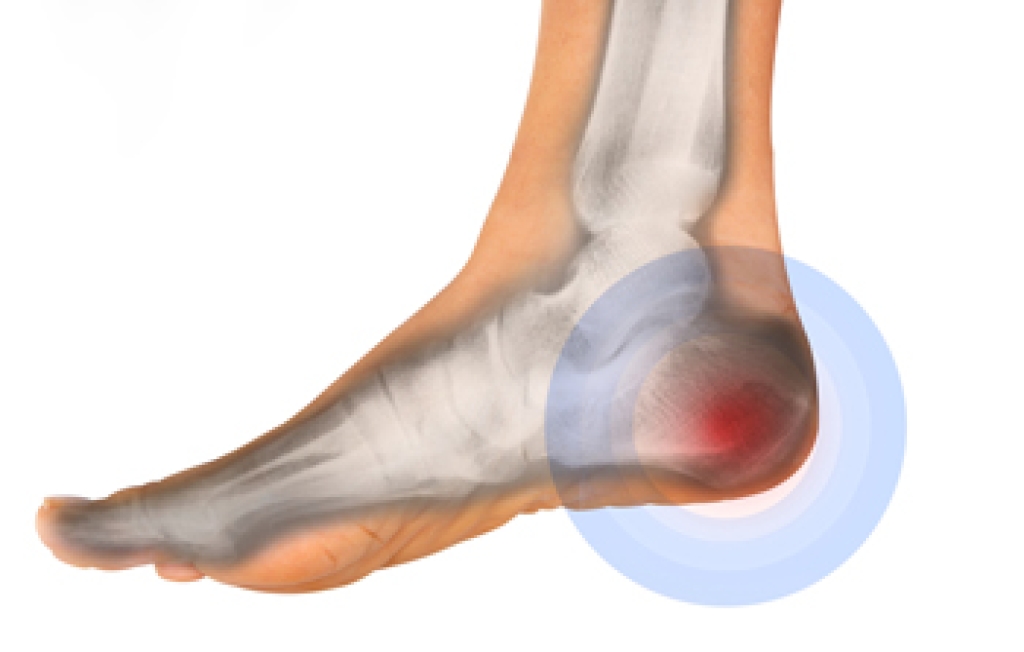
Heel pain is sometimes the result of a stress fracture in the heel bone, also known as the calcaneus. This bone supports much of the body’s weight during walking and running, which makes it vulnerable to hairline cracks that result from repetitive impact. These calcaneal stress fractures often produce a deep, persistent ache that worsens with activity and does not ease with rest. Unlike plantar fasciitis, which causes pain near the arch or front of the heel, a stress fracture typically causes tenderness directly over the heel bone and swelling around the area. Because early X-rays can appear normal, advanced imaging such as an MRI is often needed to confirm the diagnosis. Without proper evaluation, continued pressure on the fracture can delay healing or lead to the need for surgery. If you are experiencing persistent heel pain, it is suggested that you make an appointment with a podiatrist for a diagnosis and treatment options.

Many people suffer from bouts of heel pain. For more information, contact one of our podiatrists of Highpoint Foot & Ankle Center. Our practitioners can provide the care you need to keep you pain-free and on your feet.

Causes of Heel Pain

Heel pain is often associated with plantar fasciitis. The plantar fascia is a band of tissues that extends along the bottom of the foot. A rip or tear in this ligament can cause inflammation of the tissue.

Achilles tendonitis is another cause of heel pain. Inflammation of the Achilles tendon will cause pain from fractures and muscle tearing. Lack of flexibility is also another symptom.

Heel spurs are another cause of pain. When the tissues of the plantar fascia undergo a great deal of stress, it can lead to ligament separation from the heel bone, causing heel spurs.

Why Might Heel Pain Occur?

  • Wearing ill-fitting shoes                
  • Wearing non-supportive shoes
  • Weight change           
  • Excessive running

Treatments

Heel pain should be treated as soon as possible for immediate results. Keeping your feet in a stress-free environment will help. If you suffer from Achilles tendonitis or plantar fasciitis, applying ice will reduce the swelling. Stretching before an exercise like running will help the muscles. Using all these tips will help make heel pain a condition of the past.

If you have any questions, please feel free to contact our offices located in Chalfont, Doylestown, and Hatboro, PA . We offer the newest diagnostic and treatment technologies for all your foot care needs.

Read more about Heel Pain

Non Healing Foot Ulcers in Diabetic Patients

Foot wounds that do not heal in individuals with diabetes are a serious concern. They often arise from poor circulation, nerve damage, or infection. Healing is further delayed when blood sugar is poorly controlled, footwear is ill-fitting, or daily care is inconsistent. Locally, excess pressure, bacterial overgrowth, or dryness at the wound site may slow recovery, as well. Management begins with addressing underlying conditions such as vascular disease, smoking, and high glucose levels. At the same time, careful cleaning, offloading pressure, and infection control are essential. Advanced wound dressings provide a supportive environment by keeping the area moist, reducing bacterial load, and encouraging tissue repair. Options include hydrocolloids that create a moist seal protecting the wound, and alginates that absorb heavy drainage and help control moisture levels. Foams that cushion the area while keeping the wound insulated and protected, and antimicrobial layers that reduce bacteria and lower the risk of infection, can be tailored to the specific wound. If you have diabetes, and have developed a persistent foot ulcer, it is suggested that you seek evaluation by a podiatrist for appropriate care and management for this serious condition. 

Diabetic foot care is important in preventing foot ailments such as ulcers. If you are suffering from diabetes or have any other concerns about your feet, contact one of our podiatrists from Highpoint Foot & Ankle Center. Our practitioners can provide the care you need to keep you pain-free and on your feet.

Diabetic Foot Care

Diabetes affects millions of people every year. The condition can damage blood vessels in many parts of the body, especially the feet. Because of this, taking care of your feet is essential if you have diabetes, and having a podiatrist help monitor your foot health is highly recommended.

The Importance of Caring for Your Feet

  • Routinely inspect your feet for bruises or sores.
  • Wear socks that fit your feet comfortably.
  • Wear comfortable shoes that provide adequate support.

Patients with diabetes should have their doctor monitor their blood levels, as blood sugar levels play such a huge role in diabetic care. Monitoring these levels on a regular basis is highly advised.

It is always best to inform your healthcare professional of any concerns you may have regarding your feet, especially for diabetic patients. Early treatment and routine foot examinations are keys to maintaining proper health, especially because severe complications can arise if proper treatment is not applied.

If you have any questions, please feel free to contact our offices located in Chalfont, Doylestown, and Hatboro, PA . We offer the newest diagnostic and treatment technologies for all your foot care needs.

Read more about Diabetic Foot Conditions
scroll to top